

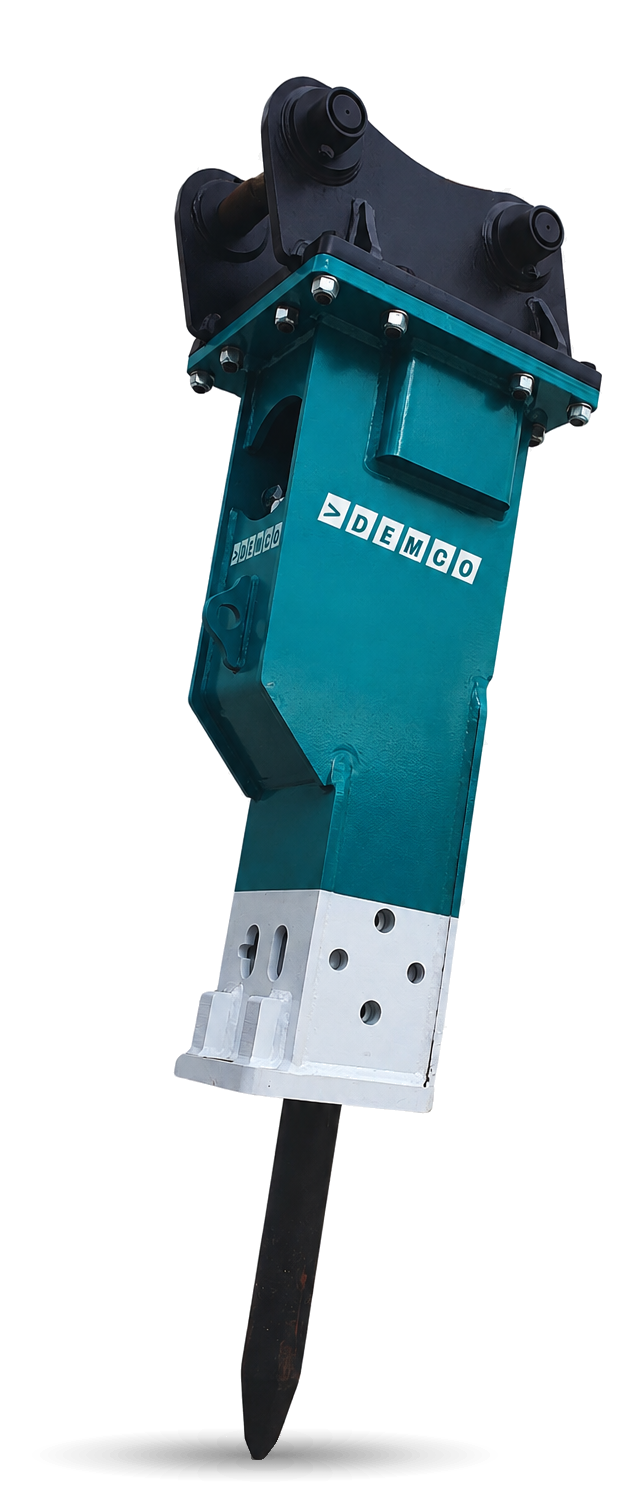
 Nitrox Series
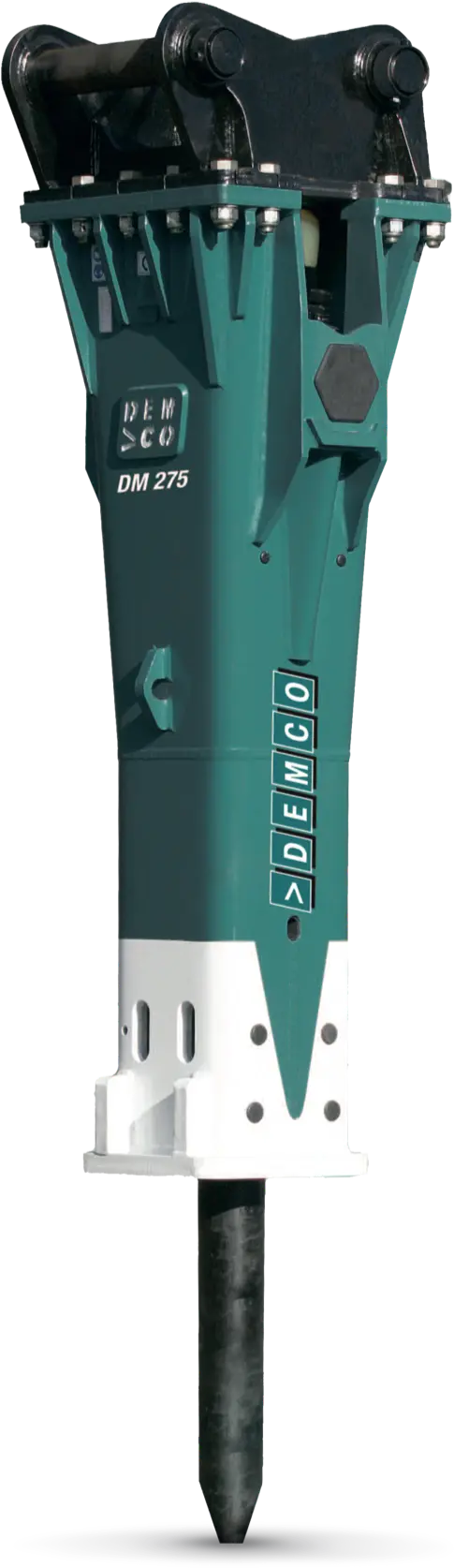 Hydrox Series
 Demolition Multi-processors
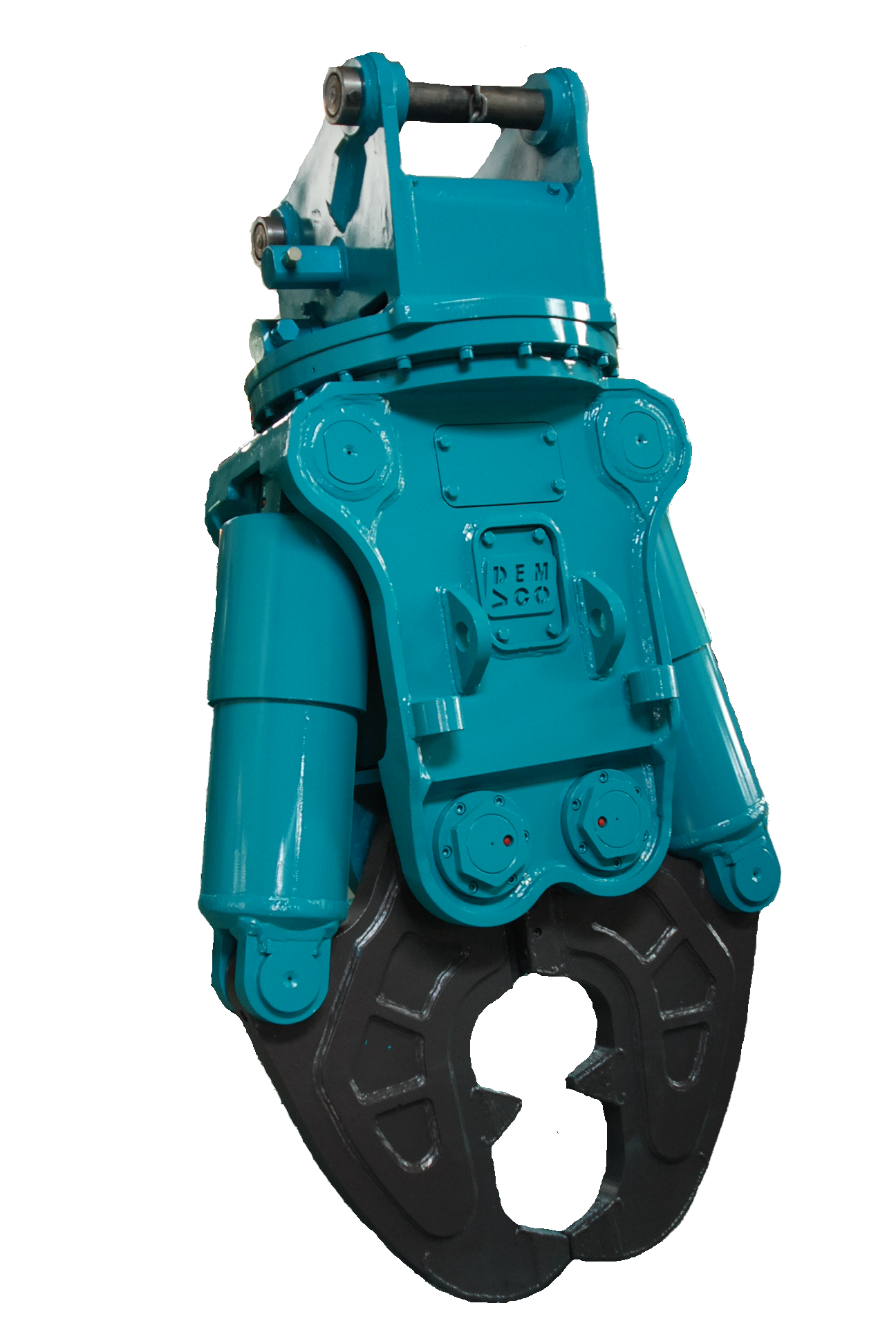 Mini Multi-processors
Rock Breakers
Nitrox series
Nitrogen charged.
Lightweight agility.
Heavyweight punch.
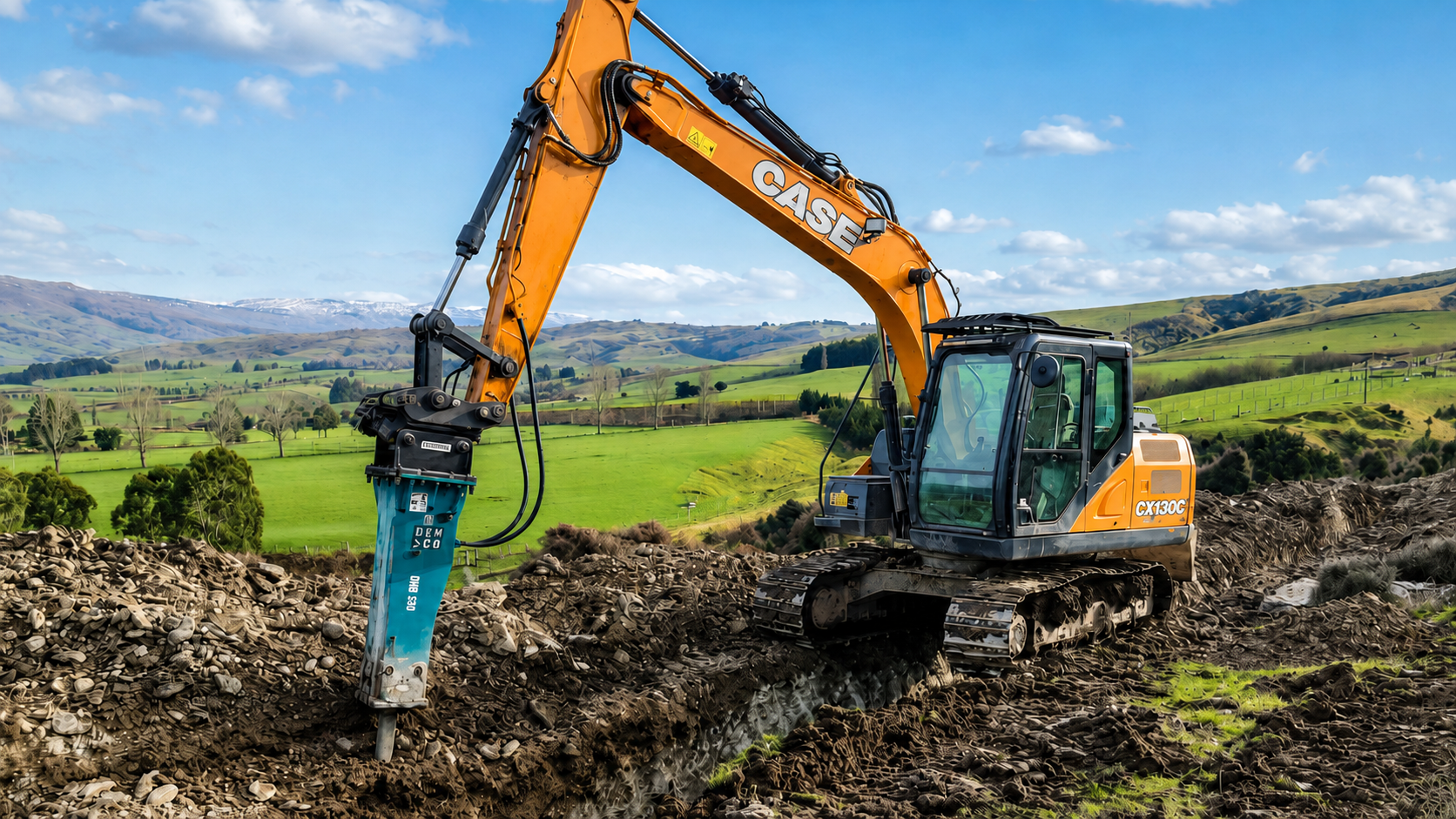

For the best in breaking get-go
Performance in every punch
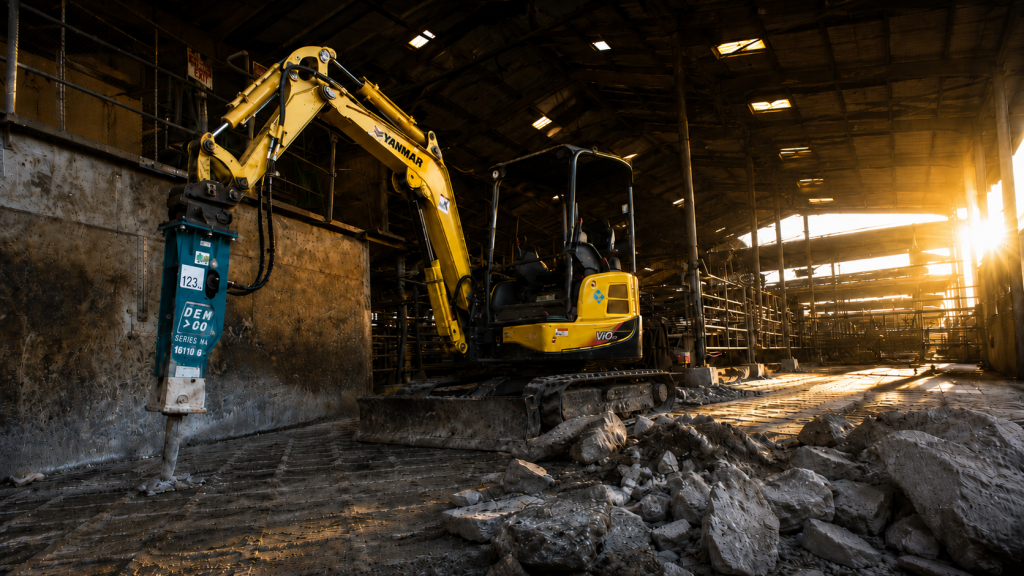
Commonly used in civil construction, demolition, trenching, and smaller quarry work, the DEMCO Nitrox series of gas-powered breakers packs a powerful punch in a lightweight, portable package. This force is generated by nitrogen gas pressure working with the hydraulic pressure of the host machine, which means the breaker can be operated at a higher back pressure than full hydraulic options.
Comfort and flexibility
The Nitrox range can be customised to your fleet with direct mount or quick hitch compatibility. A cleverly designed damping system lowers noise and vibration in the cab, reducing operator fatigue and ensuring ongoing ease of use. Designed for concrete, asphalt, rock, demolition, trenching, and civil work, these rock breakers can handle vertical, horizontal and angled work without performance loss.
Lower-cost higher impact
The Nitrox range gives compact carriers effective rock-breaking performance at a lower initial investment. High impact force is generated by a nitrogen gas pressure working together with the hydraulic pressure of the host machine, delivering serious breaking power without unnecessary strain.
Safer, quieter, better
The DEMCO Isomax system reduces noise and increases comfort, these impact absorbing buffers specially formulated to protect the carrier by minimising vibration and shock while maintaining maximum breaker performance.
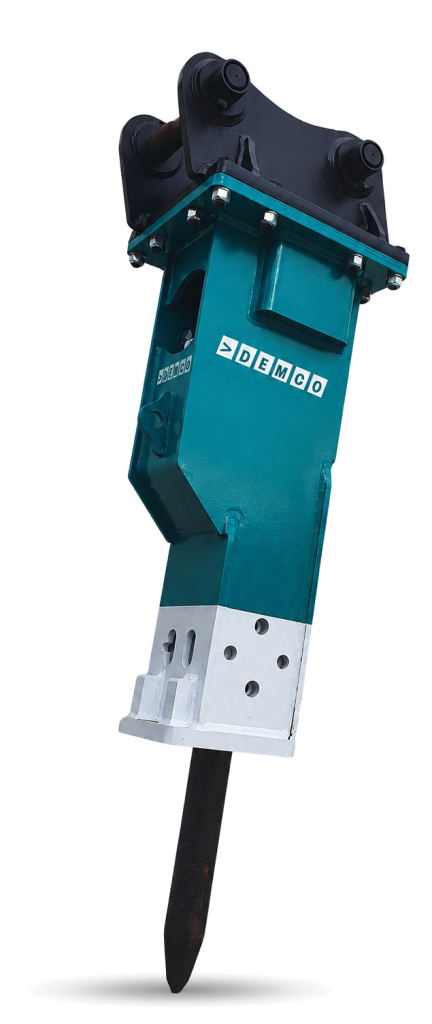
Built to take a beating
Fully enclosed housing protects the power cell & minimise noise, ensuring internal components are shielded from debris and abuse in even the harshest conditions. With high-strength steel and unmatched heat treatment and coating processes you can be assured of maximum muscle, heavy-duty housing protection, and a long service life.
Backed by the best
Backed with the all-important parts availability and technical support on hand when you need it. Service kits, wear parts, seals, bushings & tools are always ready for quick dispatch.
Nitrox series Rock Breaker spec
Compact models — DMB08 to DMB60
DMB08
Operating Weight
Top: 80kg
Box: 100kg
Operating Pressure
90 – 120 bar
1,280 – 1,707 psi
Applicable carrier weight
0.5 – 1.5 ton
Flow rate
15 – 25 l/min
Tool diameter
40mm
DMB12
Operating Weight
Top: 100kg
Box: 120kg
Operating Pressure
90 – 120 bar
1,280 – 1,707 psi
Applicable carrier weight
1.2 – 3.0 ton
Flow rate
20 – 30 l/min
Tool diameter
45mm
DMB18
Operating Weight
Top: 196kg
Box: 216kg
Operating Pressure
90 – 120 bar
1,280 – 1,707 psi
Applicable carrier weight
2.5 – 4.5 ton
Flow rate
25 – 40 l/min
Tool diameter
53mm
DMB22
Operating Weight
Top: 298kg
Box: 320kg
Operating Pressure
110 – 140 bar
1,565 – 1,991 psi
Applicable carrier weight
4 – 7 ton
Flow rate
40 – 70 l/min
Tool diameter
68mm
DMB38
Operating Weight
Top: 375kg
Box: 445kg
Operating Pressure
120 – 150 bar
1,707 – 2,134 psi
Applicable carrier weight
6 – 9 ton
Flow rate
50 – 90 l/min
Tool diameter
75mm
DMB60
Operating Weight
Top: 577kg
Box: 600kg
Operating Pressure
130 – 160 bar
1,849 – 2,276 psi
Applicable carrier weight
7 – 14 ton
Flow rate
60 – 100 l/min
Tool diameter
85mm
Mid-range models — DMB90 to DMB310
DMB90
Operating Weight
Top: 908kg
Box: 928kg
Operating Pressure
150 – 170 bar
2,134 – 2,148 psi
Applicable carrier weight
11 – 16 ton
Flow rate
80 – 110 l/min
Tool diameter
100mm
DMB140
Operating Weight
Top: 1,431kg
Box: 1,460kg
Operating Pressure
150 – 170 bar
2,176 – 2,466 psi
Applicable carrier weight
16 – 21 ton
Flow rate
90 – 120 l/min
Tool diameter
125mm
DMB180
Operating Weight
Top: 1,675kg
Box: 1,705kg
Operating Pressure
160 – 180 bar
2,276 – 2,560 psi
Applicable carrier weight
18 – 21 ton
Flow rate
100 – 150 l/min
Tool diameter
135mm
DMB190
Operating Weight
Top: 1,936kg
Box: 1,948kg
Operating Pressure
160 – 180 bar
2,276 – 2,560 psi
Applicable carrier weight
18 – 26 ton
Flow rate
120 – 180 l/min
Tool diameter
140mm
DMB230
Operating Weight
Top: 2,237kg
Box: 2,890kg
Operating Pressure
160 – 180 bar
2,276 – 2,560 psi
Applicable carrier weight
23 – 28 ton
Flow rate
140 – 190 l/min
Tool diameter
150mm
DMB290
Operating Weight
Top: 2,838kg
Box: 2,890kg
Operating Pressure
160 – 180 bar
2,276 – 2,560 psi
Applicable carrier weight
28 – 35 ton
Flow rate
180 – 240 l/min
Tool diameter
155mm
DMB310
Operating Weight
Top: 3,065kg
Box: 3,140kg
Operating Pressure
160 – 180 bar
2,276 – 2,560 psi
Applicable carrier weight
30 – 45 ton
Flow rate
200 – 260 l/min
Tool diameter
165mm
Tool Options
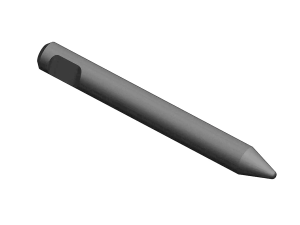
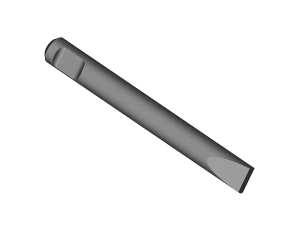
Moil Point
Handles concrete breaking or secondary demolition of average to extremely hard blocks.
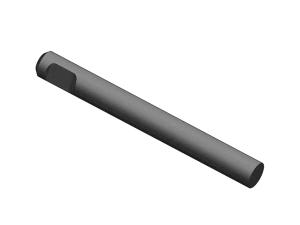
Chisel
Suited to earthworking and narrow-section excavation in medium to hard stratified rock.
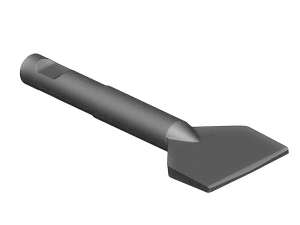
Blunt
Handles blocks of any hardness and reduces rubble to a manageable size.
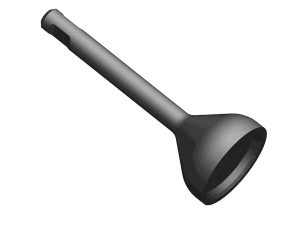
Asphalt Cutter / Shovel
Cuts and breaks road surfaces, floors, walls and brick. Available in-line or at 90° to suit your working direction.
Pile Driver
Built for pilework, press-moulded supports & similar applications.
GENERAL FAQs
What’s the difference between a rock-breaker, a hydraulic hammer, and a percussion hammer?
Nothing. It’s a potato-potahtoe thing. Some people like to say rock-breaker, some prefer hammer. We don’t mind what you call them – just as long as when you need something to bust rocks and concrete, you call us.
What size jobs are compact rock breakers best suited to?
Designed for light to medium-duty work including civil construction, trenching, landscaping, light demolition and smaller quarry or yard tasks. Perfect for when you need full impact energy, without a fully hydraulic system.
What type of materials are compact rock breakers best suited to?
Concrete, asphalt and soft to medium rock are their specialty. They can handle the full range of materials for small to medium jobs with ease.
Why choose a compact breaker instead of a heavy-duty breaker for small jobs?
Compact breakers are gas assisted and use a nitrogen charge to assist piston rebound and impact transfer. This reduces hydraulic oil demand and simplifies the internal design, resulting in a lighter and more cost-effective attachment. For intermittent or lighter-duty work, they provide excellent impact force without the higher capital cost of a heavy-duty breaker.
What size excavators will compact breakers run on?
Our models suit a wide range of excavators, but correct sizing depends on hydraulic flow, operating pressure and carrier weight. DEMCO suppliers can help you find the right fit for your machine.
What benefits will I get from a compact rock breaker?
Our compact rock breakers are robust, lighter and tolerant of higher return-line pressures. They can run on machines without a dedicated rock breaker circuit, making them an economical and versatile choice for light to medium work.
Maintenance &
Warranty Info
MAINTENANCE
How do I store my rock breaker?
Keep it in a dry environment. If stored outdoors, position the chisel end low and the hitch end elevated to prevent moisture entry. Proper storage avoids internal corrosion. Keep in mind that long-term exposure to moisture increases the risk of internal corrosion inside your attachment.
Can I leave a rock breaker outside?
Short-term outdoor storage is acceptable if the breaker is stored with the chisel end pointing downhill. For long-term storage, indoor or properly sheltered conditions are recommended to reduce the risk of internal corrosion.
How do I select the correct size rock breaker for my excavator?
Breaker selection needs to account for carrier operating weight, hydraulic flow rate, working pressure and allowable back pressure. Specification tables can be found on the DEMCO website and DEMCO suppliers are always happy to help out with selecting the right sized rock breaker for your machine.
What routine checks are important before and after using a breaker?
Operators should regularly inspect tool wear and check hoses and fittings for any leaks. Regular greasing is a must, as is ensuring hydraulic flow and pressure settings are verified. Early inspection and detection of any minor issues, prevents any major issues cropping up in the long-term.
Why has the breaker impact weakened?
Common causes include low nitrogen charge, high back pressure, restricted couplers or worn seals. Proper hydraulic testing is needed to pinpoint the issue.
How can I be sure my breaker is working to full capacity?
Check nitrogen pressure, supply-line pressure, return-line back pressure, and flow rates. Accurate measurement ensures consistent performance.
What does frequency loss with heavy blows indicate?
Usually excessive back pressure, which slows piston return and reduces blow rate. Inspect hoses, any partially closed valves and couplers to correct.
WARRANTY AND SERVICE
What warranty coverage is available for DEMCO rockbreakers?
All breakers come with a three-year manufacturer warranty and access to a dedicated service network in your local area, including parts, service and technical assistance.
How long will I have to wait for new rock breaker parts?
Service kits, wear parts, seals, bushings and tools are held locally for quick dispatch when you need them. Shipping time will depend on your location.
How often does a rock breaker need to be serviced?
Daily inspections are a good maintenance habit to get into, along with regular greasing. Compact breakers also require a nitrogen pressure check at least once a year to maintain performance.

