
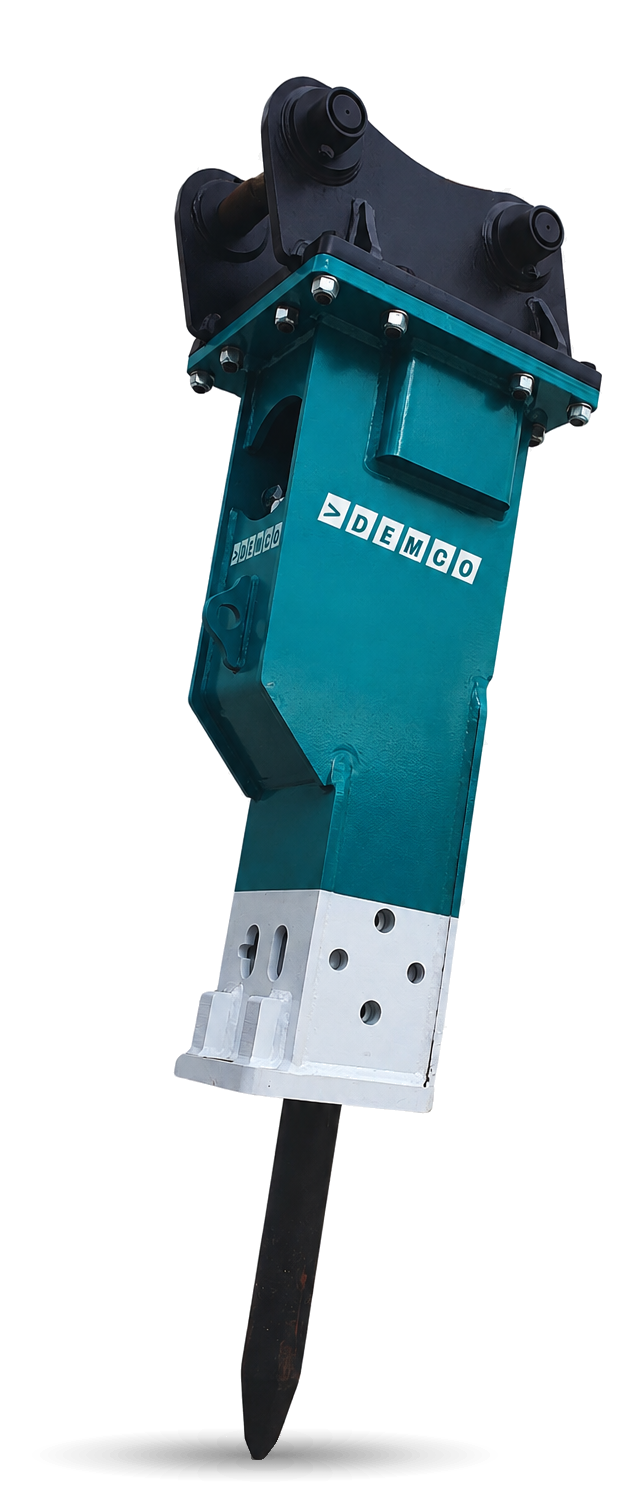
 Nitrox Series
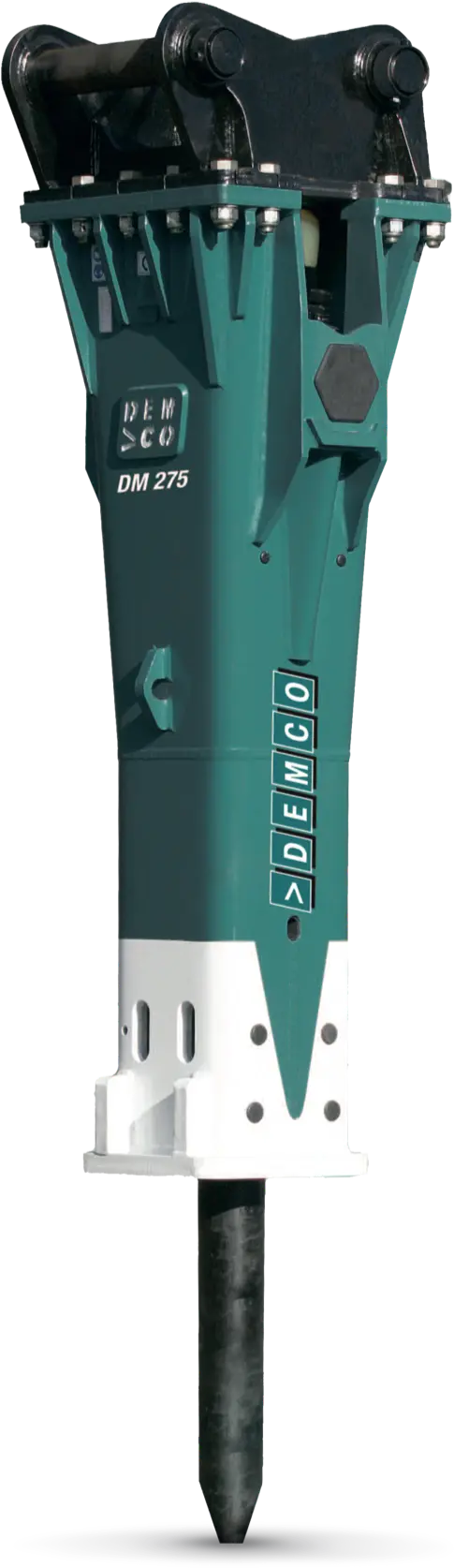 Hydrox Series
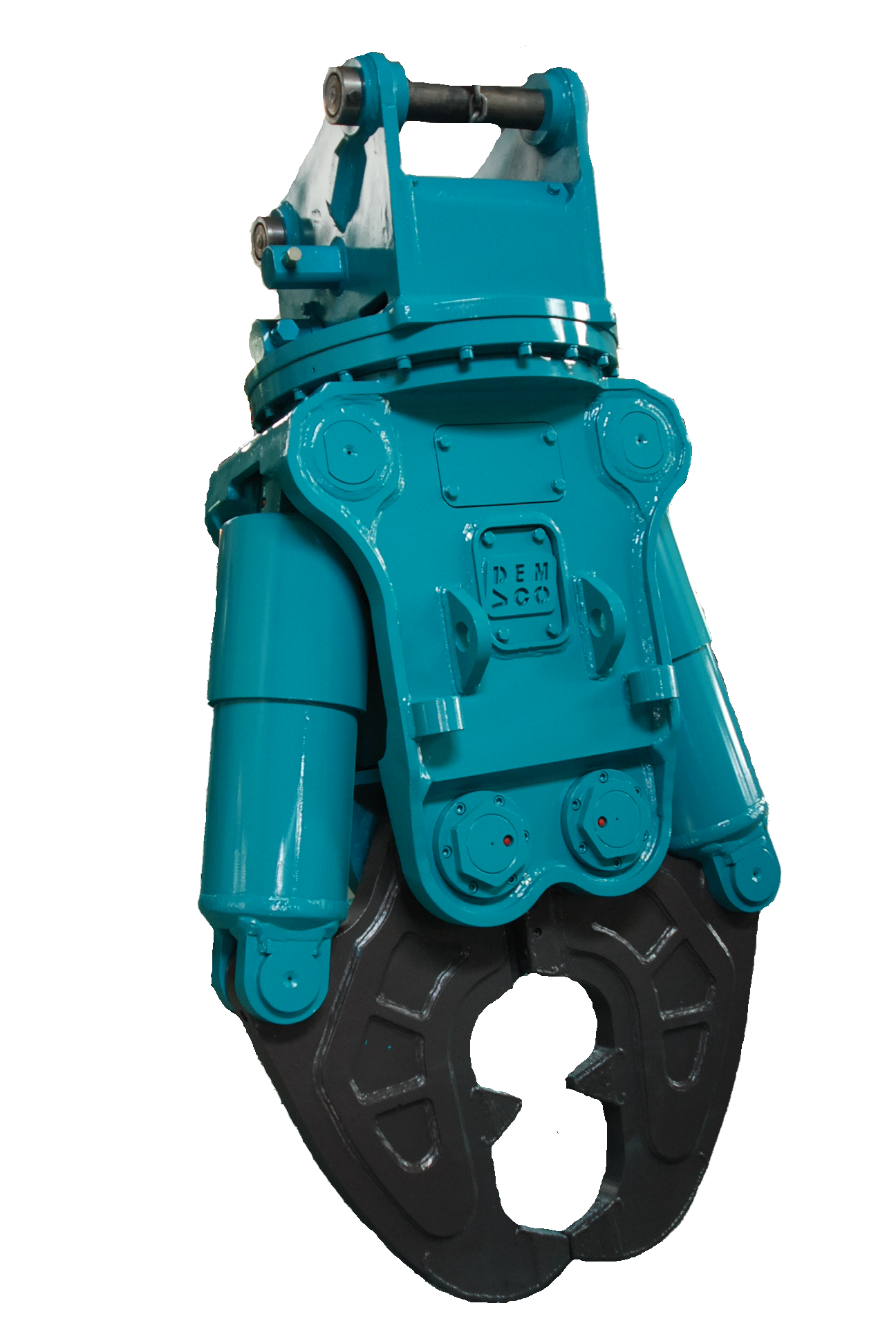 Mini Multi-processors
Multi-processors
Demolition Multi-processors
Ease of use.
Speed of work.
Strength in power.
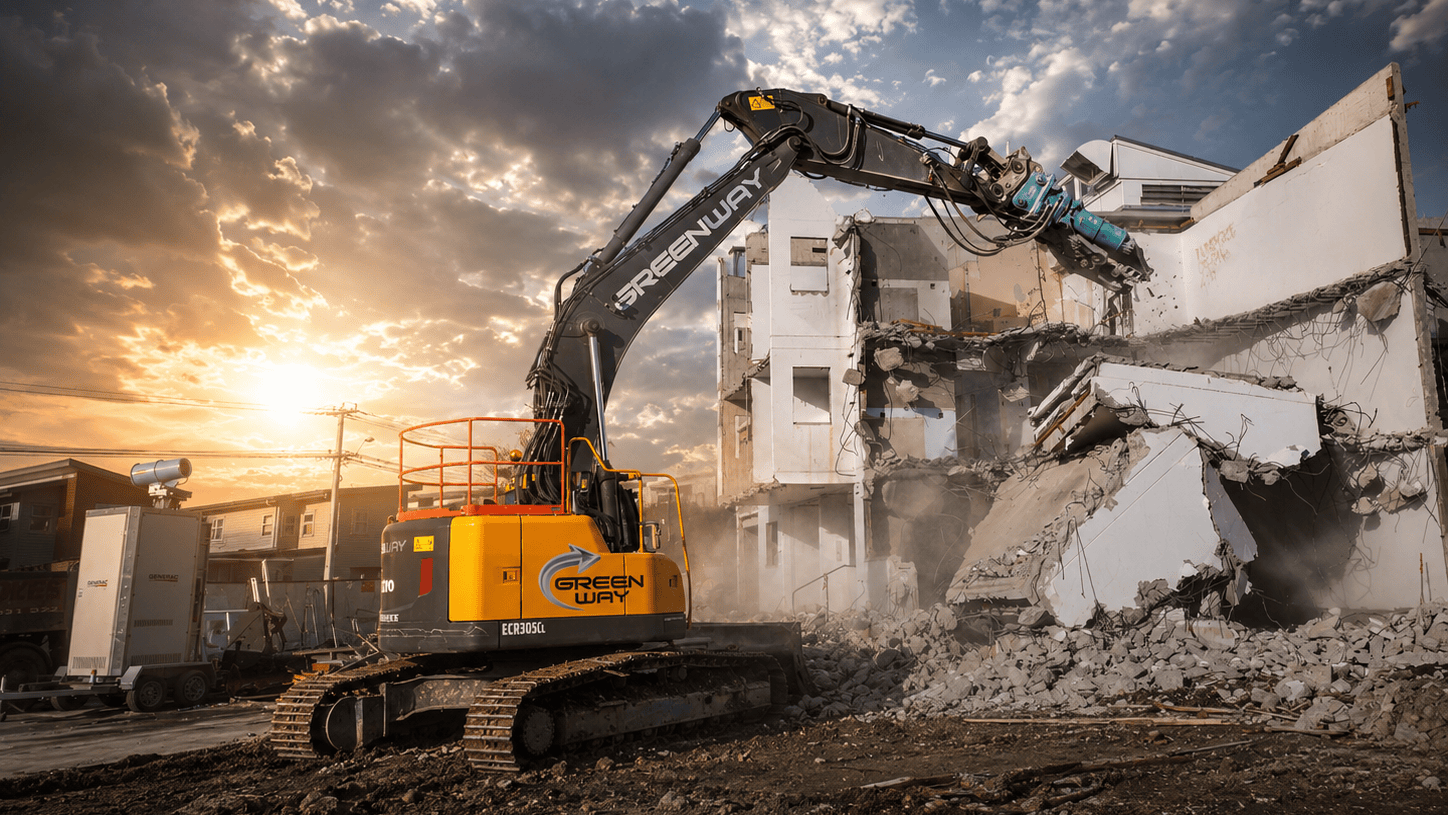

The multi-choice answer to materials processing
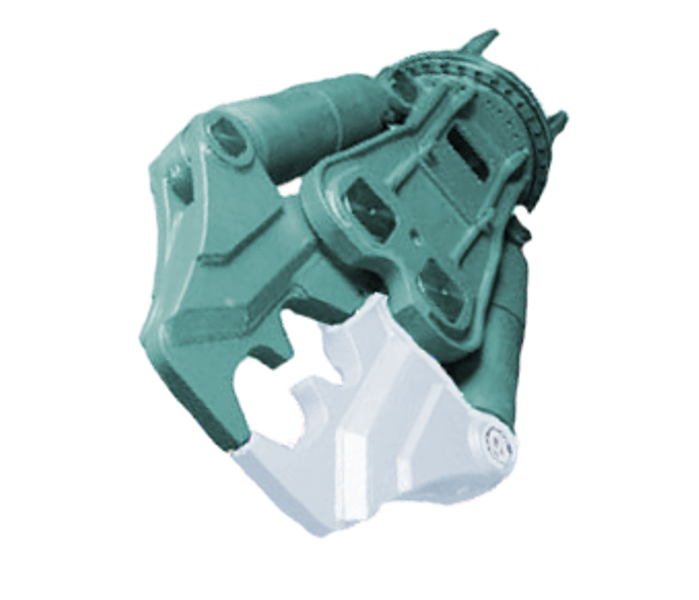
A good multi-processor can be worth its weight in gold when you need speed, power, and enduring confidence from your demolition and recycling materials processing. Be it crushing reinforced concrete or shearing structural steel, the interchangeable jaws and powerful crushing force of DEMCO’s demolition multi-processors deliver this value.
Adaptable
DEMCO has a wide range multi-processors available for most carriers. Using the crusher or pulveriser jaw this machinery is ideal for concrete, hard rock, & rebar processing. The interchangeable jaws deliver powerful materials processing & the optional 360° rotation increases ease & speed of work.
Durable
The heavy-duty cylinder guard, replaceable four-way turn-able blades, & oversized hardened pin & bushing design provides robust precision & performance day after day.
Easy
Unlike hydraulic breakers, these processors have minimal noise & vibration effects. The asymmetric design & independent cylinder movement minimises the stress to the carrier, ensuring ongoing comfort & ease of operation.
Effective
The dual cylinder / dual pin design provides a wide opening, tremendous initial crushing force, & optimised angles of attack. The wedge-shaped jaw is designed to easily penetrate reinforced materials, & the oversized speed valve reduces cycle time & eliminates overflow issues.
Jaw options
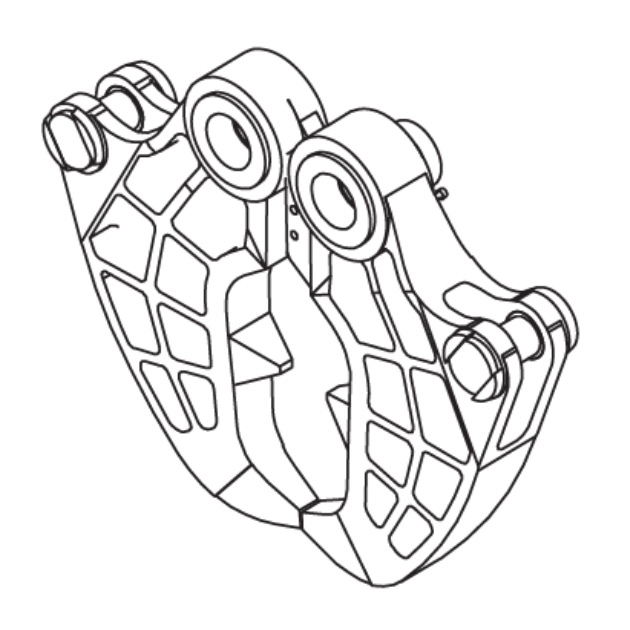
Crusher Jaw
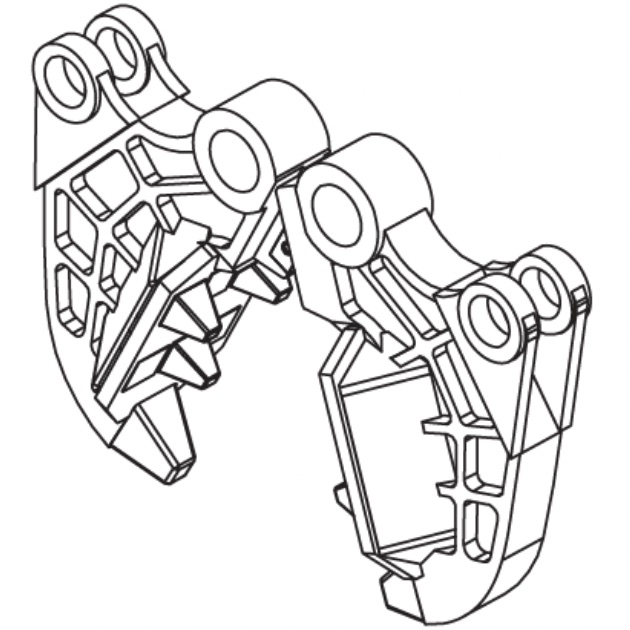
Pulveriser Jaw
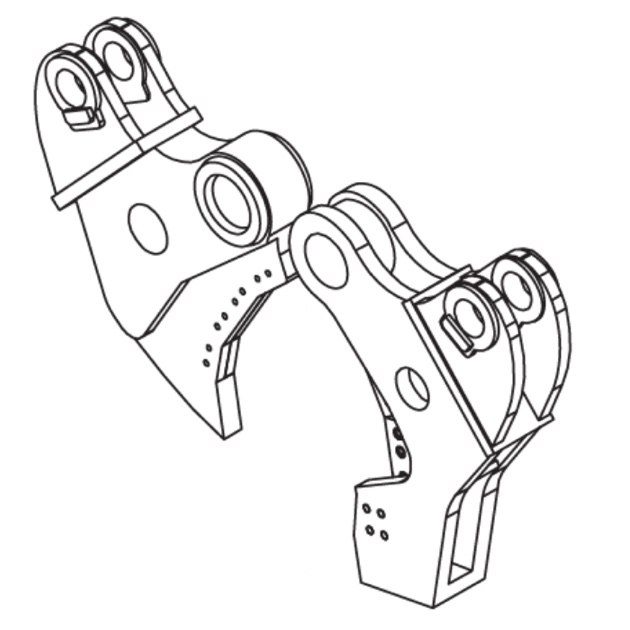
Shear Jaw
DMC15(R)V
Carrier weight
13-20 ton
Weight by jaw
Crusher: 1,365kg
Pulverizer: 1,332kg
Shear: 1,347kg
Jaw opening
Crusher: 805mm
Pulverizer: 750mm
Shear: 390mm
Jaw depth / thickness
Crusher depth: 610mm
Pulverizer thickness: 250mm
Shear depth: 415mm
Cutting force
Throat: 526 M/T
Crushing force
Middle: 128 M/T
Tip: 82 M/T
Shearing force
Apex: 243 M/T
Tip: 104 M/T
Hydraulic requirements
Pressure: 320 bar
Oil flow: 210 l/min
Hydraulic rotation
R model only
Pressure: 210 bar
Oil flow: 28-32 l/min
Speed: 10-15 RPM
Cycle time
Open: 1.5 sec
Close: 1.4 sec
DMC25(R)V
Carrier weight
20-40 ton
Weight by jaw
Crusher: 2,100kg
Pulverizer: 2,220kg
Shear: 2,010kg
Jaw opening
Crusher: 980mm
Pulverizer: 980mm
Shear: 514mm
Jaw depth / thickness
Crusher depth: 820mm
Pulverizer thickness: 340mm
Shear depth: 545mm
Cutting force
Throat: 1,141 M/T
Crushing force
Middle: 254 M/T
Tip: 143 M/T
Shearing force
Apex: 381 M/T
Tip: 188 M/T
Hydraulic requirements
Pressure: 320 bar
Oil flow: 280 l/min
Hydraulic rotation
R model only
Pressure: 210 bar
Oil flow: 32-45 l/min
Speed: 10-15 RPM
Cycle time
Open: 2.5 sec
Close: 2.3 sec
DMC30(R)V
Carrier weight
29-45 ton
Weight by jaw
Crusher: 2,750kg
Pulverizer: 2,910kg
Shear: 2,875kg
Jaw opening
Crusher: 1,100mm
Pulverizer: 1,080mm
Shear: 520mm
Jaw depth / thickness
Crusher depth: 945mm
Pulverizer thickness: 370mm
Shear depth: 595mm
Cutting force
Throat: 1,729 M/T
Crushing force
Middle: 326 M/T
Tip: 180 M/T
Shearing force
Apex: 507 M/T
Tip: 231 M/T
Hydraulic requirements
Pressure: 320 bar
Oil flow: 280 l/min
Hydraulic rotation
R model only
Pressure: 210 bar
Oil flow: 32-45 l/min
Speed: 10-15 RPM
Cycle time
Open: 3.2 sec
Close: 3.8 sec
DMC45(R)V
Carrier weight
45-65 ton
Weight by jaw
Crusher: 5,350kg
Pulverizer: 5,610kg
Shear: 5,960kg
Jaw opening
Crusher: 1,400mm
Pulverizer: 1,400mm
Shear: 820mm
Jaw depth / thickness
Crusher depth: 1,100mm
Pulverizer thickness: 415mm
Shear depth: 955mm
Cutting force
Throat: 2,558 M/T
Crushing force
Middle: 482 M/T
Tip: 266 M/T
Shearing force
Apex: 588 M/T
Tip: 273 M/T
Hydraulic requirements
Pressure: 320 bar
Oil flow: 390 l/min
Hydraulic rotation
R model only
Pressure: 210 bar
Oil flow: 75-105 l/min
Speed: 10-15 RPM
Cycle time
Open: 4.2 sec
Close: 5.4 sec
GENERAL FAQs
Are DEMCO multi-processor jaws interchangeable?
Yes. DEMCO multi-processors are designed with interchangeable jaw sets and replaceable tooth systems to allow configuration for different demolition tasks.
How do the jaw changes actually work?
Bolt-on adapter systems with replaceable teeth and reversible cutting blades make switching from concrete to steel jaws fast and efficient.
What benefits does the multi-processor design provide?
Heavy-duty jaws, oversized pivots and interchangeable sets improve versatility and reduce maintenance costs. One machine can handle concrete, steel and pulverising tasks, maximising your return on investment.
Are DEMCO multi-processors easier to maintain?
Absolutely. Accessible service points, replaceable wear components and robust structural construction reduce maintenance time and extend service life under repetitive load conditions.
What is the difference between a multi-processor and a dedicated demolition attachment?
Dedicated attachments are optimised for one task, while multi-processors allow you to switch functions on site (so there’s no need for extra units).
How does jaw geometry influence crushing performance?
Deeper jaws hold material better; tooth placement affects penetration. Pivot position and jaw tip leverage determine effective crushing force. Proper geometry balances bite and power.
What determines the cutting force of a steel jaw set?
Cutting force is influenced by hydraulic cylinder size, operating pressure and the mechanical leverage created by jaw design. Correct setup ensures consistent force without stressing the structure.
Why are oversized pivot pins and bearings important?
Multi-processors are exposed to high torsional loads during demolition, particularly when processing uneven or reinforced material. They spread torsional loads evenly, reduce stress, maintain alignment and extend service life.
Will jaw interchangeability increase job efficiency?
Switching jaws allows a single attachment to cover multiple tasks, reducing capital costs and boosting on-site productivity.
What hydraulic setup is required for optimal performance?
Correct flow and pressure are essential. Too low and cycle time slows; too high accelerates wear. Matching specifications correctly ensures reliable performance.
What are early signs of structural wear in a multi-processor?
Excessive play in pivot points, uneven jaw alignment, abnormal vibration or visible cracking around high-stress areas may indicate wear. Regular inspection of pins, bushes and cylinder mounts helps prevent structural damage and costly rebuilds.
Maintenance &
Warranty Info
MAINTENANCE
How do I store my rock breaker?
Keep it in a dry environment. If stored outdoors, position the chisel end low and the hitch end elevated to prevent moisture entry. Proper storage avoids internal corrosion. Keep in mind that long-term exposure to moisture increases the risk of internal corrosion inside your attachment.
Can I leave a rock breaker outside?
Short-term outdoor storage is acceptable if the breaker is stored with the chisel end pointing downhill. For long-term storage, indoor or properly sheltered conditions are recommended to reduce the risk of internal corrosion.
How do I select the correct size rock breaker for my excavator?
Breaker selection needs to account for carrier operating weight, hydraulic flow rate, working pressure and allowable back pressure. Specification tables can be found on the DEMCO website and DEMCO suppliers are always happy to help out with selecting the right sized rock breaker for your machine.
What routine checks are important before and after using a breaker?
Operators should regularly inspect tool wear and check hoses and fittings for any leaks. Regular greasing is a must, as is ensuring hydraulic flow and pressure settings are verified. Early inspection and detection of any minor issues, prevents any major issues cropping up in the long-term.
Why has the breaker impact weakened?
Common causes include low nitrogen charge, high back pressure, restricted couplers or worn seals. Proper hydraulic testing is needed to pinpoint the issue.
How can I be sure my breaker is working to full capacity?
Check nitrogen pressure, supply-line pressure, return-line back pressure, and flow rates. Accurate measurement ensures consistent performance.
What does frequency loss with heavy blows indicate?
Usually excessive back pressure, which slows piston return and reduces blow rate. Inspect hoses, any partially closed valves and couplers to correct.
WARRANTY AND SERVICE
What warranty coverage is available for DEMCO rockbreakers?
All breakers come with a three-year manufacturer warranty and access to a dedicated service network in your local area, including parts, service and technical assistance.
How long will I have to wait for new rock breaker parts?
Service kits, wear parts, seals, bushings and tools are held locally for quick dispatch when you need them. Shipping time will depend on your location.
How often does a rock breaker need to be serviced?
Daily inspections are a good maintenance habit to get into, along with regular greasing. Compact breakers also require a nitrogen pressure check at least once a year to maintain performance.

