
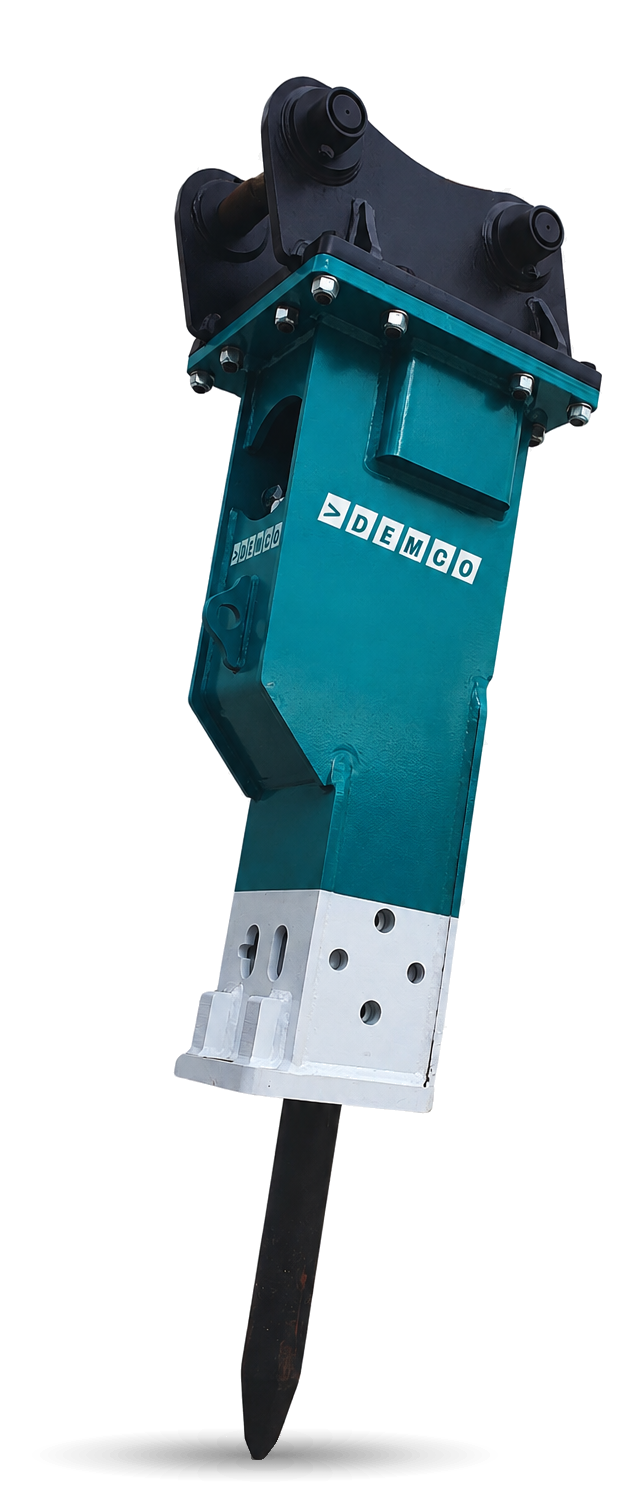
 Nitrox Series
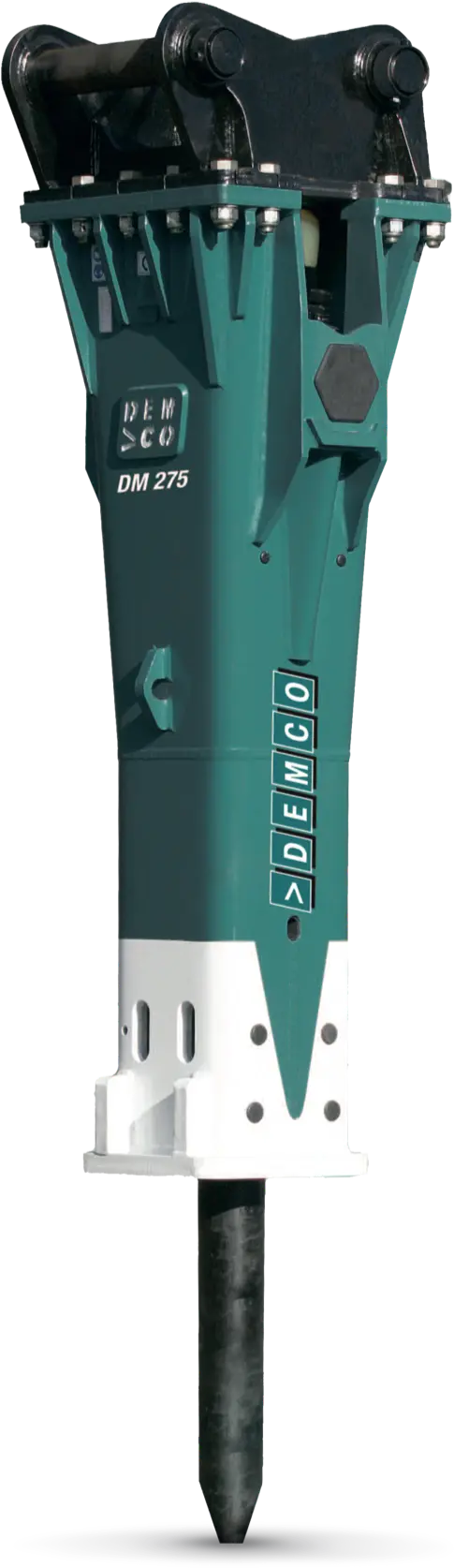 Hydrox Series
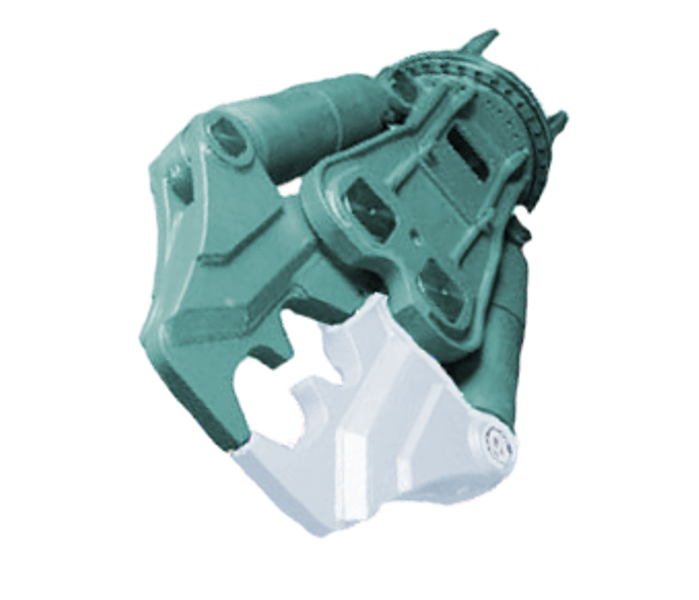 Demolition Multi-processors
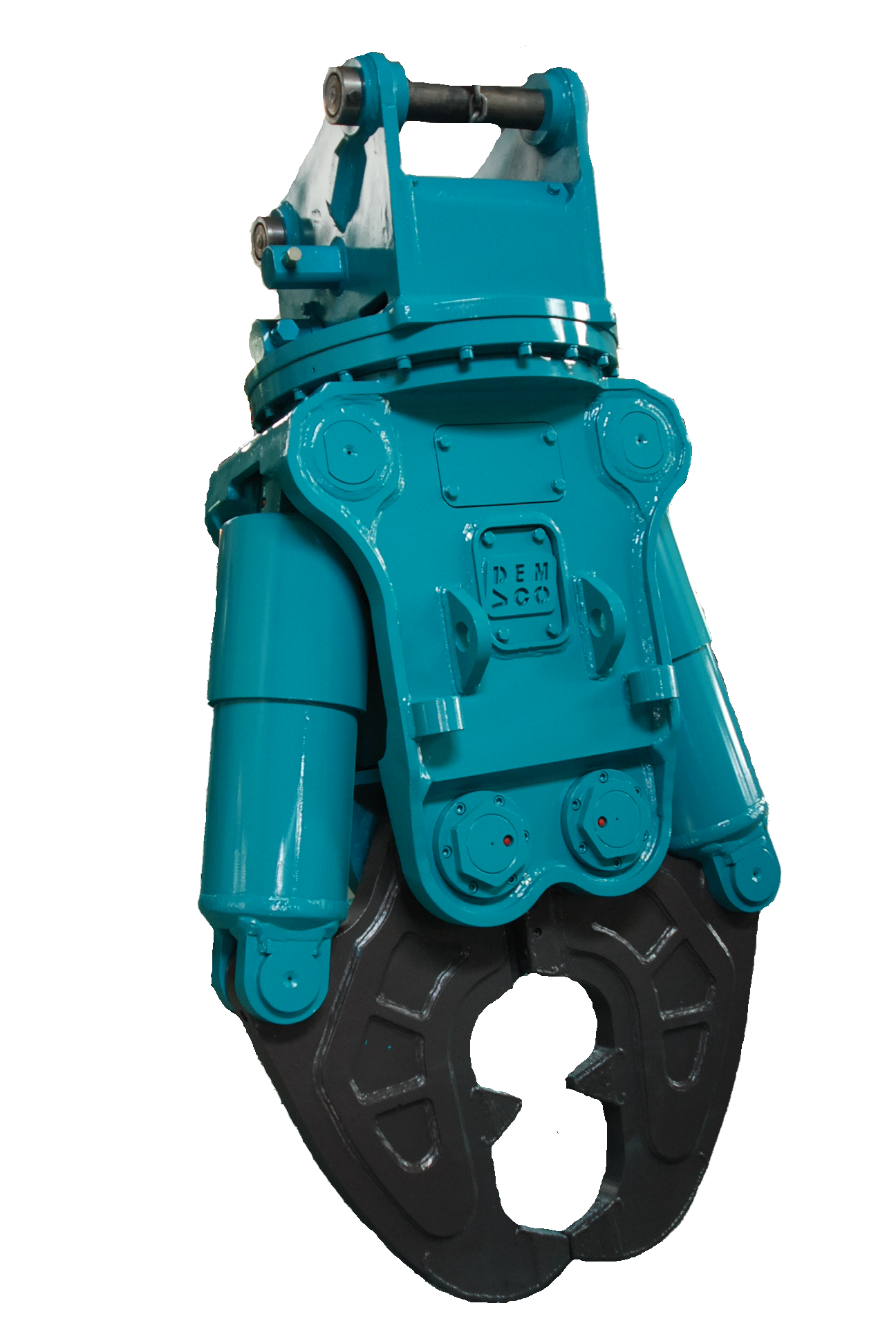 Mini Multi-processors
Rock Breakers
Hydrox Series
Full hydraulic power.
Serious force.
Staying power.


High-power, long-lasting breaking for 4-100 tonne excavators
Make every blow count
The DEMCO Hydrox series is built for heavy-duty hydraulic power, delivering maximum impact energy for high-production quarry, mining, demolition, excavation, and civil applications. When the job demands bigger force and longer work cycles, DEMCO Hydrox rock breakers utilise their in-built power valve and blank fire protection to they hit with power and precision, each and every time.
Ready to rock
Designed to integrate seamlessly with carrier equipment, these breakers leverage the machine’s hydraulic system to generate industry-leading impact energy for tough jobs. This uncompromising power ensures the Hydrox series is ready to tackle everything from rugged quarry work to large infrastructure projects.
Less fuel, more power
Uniquely designed pistons deliver maximum power at a lower operating pressure, reducing the carrier workload and saving fuel without compromising performance standards. The special hydraulic suspension system ensures blank-fire protection, preventing the piston from impacting the cylinder and prolonging component life.
Longevity, locked in
High-strength steel and unmatched heat treatment and coating processes during construction deliver a hydraulic rock breaker of uncompromising strengths and durability. The heavy-duty housing locks out stress and locks in strength, and the fully silenced case protects the internal components from debris and abuse in harsh conditions.

Comfort in the cab
The unique Isomax buffer system from DEMCO maximises breaker performance while minimising vibration and shock on the carrier. The impact absorbing buffers of this reinforced vibration dampening system helps reduce noise and increase for operator comfort
Stay sure with every strike
With a 36-month warranty, parts availability, and technical support on hand, you’ll have confidence your breaker will deliver an enduring performance. Service kits, wear parts, seals, bushings and tools are always ready for quick dispatch too.
Hydrox Series Breaker Specs
Hydrox Series models — DMB25 to DMB705
DMB36
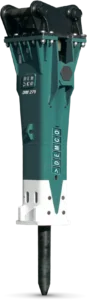
Operating Weight
450kg
Operating Pressure
120-125 bar
Carrier weight
6-9 ton
Flow rate
50-100 l/min
Tool diameter
75mm
DMB45
Operating Weight
490kg
Operating Pressure
120-125 bar
Carrier weight
7-11 ton
Flow rate
50-100 l/min
Tool diameter
85mm
DMB65
Operating Weight
750kg
Operating Pressure
125-130 bar
Carrier weight
8-14 ton
Flow rate
60-110 l/min
Tool diameter
95mm
DMB95
Operating Weight
950kg
Operating Pressure
125-130 bar
Carrier weight
10-16 ton
Flow rate
70-120 l/min
Tool diameter
100mm
DMB125
Operating Weight
1250kg
Operating Pressure
135-140 bar
Carrier weight
16-22 ton
Flow rate
80-130 l/min
Tool diameter
115mm
DMB155
Operating Weight
1580kg
Operating Pressure
135-140 bar
Carrier weight
18-26 ton
Flow rate
100-150 l/min
Tool diameter
125mm
DMB175
Operating Weight
1900kg
Operating Pressure
135-140 bar
Carrier weight
22-29 ton
Flow rate
120-180 l/min
Tool diameter
135mm
DMB215
Operating Weight
2250kg
Operating Pressure
140-145 bar
Carrier weight
26-32 ton
Flow rate
160-210 l/min
Tool diameter
145mm
DMB255
Operating Weight
2550kg
Operating Pressure
140-145 bar
Carrier weight
32-40 ton
Flow rate
190-240 l/min
Tool diameter
150mm
DMB285
Operating Weight
3000kg
Operating Pressure
140-145 bar
Carrier weight
32-45 ton
Flow rate
210-260 l/min
Tool diameter
160mm
DMB365
Operating Weight
3950kg
Operating Pressure
145-150 bar
Carrier weight
45-55 ton
Flow rate
220-270 l/min
Tool diameter
175mm
DMB505
Operating Weight
4650kg
Operating Pressure
150-155 bar
Carrier weight
50-65 ton
Flow rate
230-300 l/min
Tool diameter
190mm
DMB705
Operating Weight
7150kg
Operating Pressure
155-160 bar
Carrier weight
65-100 ton
Flow rate
250-350 l/min
Tool diameter
210mm
Tool Options
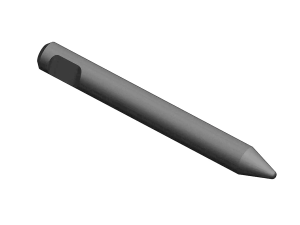
Moil Point
Handles concrete breaking or secondary demolition of average to extremely hard blocks.
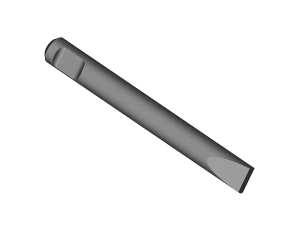
Chisel
Suited to earthworking and narrow-section excavation in medium to hard stratified rock.
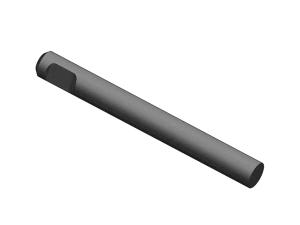
Blunt
Handles blocks of any hardness and reduces rubble to a manageable size.
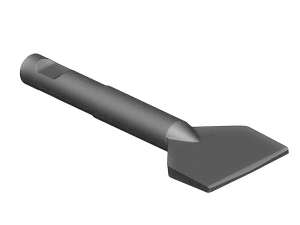
Asphalt Cutter / Shovel
Cuts and breaks road surfaces, floors, walls and brick. Available in-line or at 90° to suit your working direction.
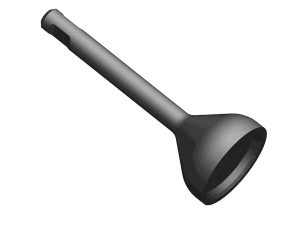
Pile Driver
Built for pilework, press-moulded supports & similar applications.

GENERAL FAQs
What’s the difference between a rock-breaker, a hydraulic hammer, and a percussion hammer?
Nothing. It’s a potato-potahtoe thing. Some people like to say rock-breaker, some prefer hammer. We don’t mind what you call them – just as long as when you need something to bust rocks and concrete, you call us.
What size jobs are heavy-duty rock breakers best suited to?
Engineered for mid to heavy duty jobs, from major demolition to continuous hard rock breaking, our heavy-duty rock breaking range is built to withstand the tough stuff.
What type of materials can heavy-duty breakers handle?
Hard rock, reinforced concrete and high-production quarry material. Their hydraulic systems deliver consistent impact energy – the workhorse you need for the big jobs.
What size excavators do DEMCO heavy-duty breakers run on?
Depending on the model, they fit carriers from around 6 tonnes up to the largest excavators. DEMCO suppliers can ensure the right match.
What advantages do heavy-dutybreakers offer for heavy-duty work?
They provide high, consistent impact energy, even under continuous operation. Lower operating pressure reduces stress on the carrier and fuel use, while a large accumulator and hard-wearing design extend service life.
Maintenance &
Warranty Info
MAINTENANCE
How do I store my rock breaker?
Keep it in a dry environment. If stored outdoors, position the chisel end low and the hitch end elevated to prevent moisture entry. Proper storage avoids internal corrosion. Keep in mind that long-term exposure to moisture increases the risk of internal corrosion inside your attachment.
Can I leave a rock breaker outside?
Short-term outdoor storage is acceptable if the breaker is stored with the chisel end pointing downhill. For long-term storage, indoor or properly sheltered conditions are recommended to reduce the risk of internal corrosion.
How do I select the correct size rock breaker for my excavator?
Breaker selection needs to account for carrier operating weight, hydraulic flow rate, working pressure and allowable back pressure. Specification tables can be found on the DEMCO website and DEMCO suppliers are always happy to help out with selecting the right sized rock breaker for your machine.
What routine checks are important before and after using a breaker?
Operators should regularly inspect tool wear and check hoses and fittings for any leaks. Regular greasing is a must, as is ensuring hydraulic flow and pressure settings are verified. Early inspection and detection of any minor issues, prevents any major issues cropping up in the long-term.
Why has the breaker impact weakened?
Common causes include low nitrogen charge, high back pressure, restricted couplers or worn seals. Proper hydraulic testing is needed to pinpoint the issue.
How can I be sure my breaker is working to full capacity?
Check nitrogen pressure, supply-line pressure, return-line back pressure, and flow rates. Accurate measurement ensures consistent performance.
What does frequency loss with heavy blows indicate?
Usually excessive back pressure, which slows piston return and reduces blow rate. Inspect hoses, any partially closed valves and couplers to correct.
WARRANTY AND SERVICE
What warranty coverage is available for DEMCO rockbreakers?
All breakers come with a three-year manufacturer warranty and access to a dedicated service network in your local area, including parts, service and technical assistance.
How long will I have to wait for new rock breaker parts?
Service kits, wear parts, seals, bushings and tools are held locally for quick dispatch when you need them. Shipping time will depend on your location.
How often does a rock breaker need to be serviced?
Daily inspections are a good maintenance habit to get into, along with regular greasing. Compact breakers also require a nitrogen pressure check at least once a year to maintain performance.

